

cutting toughened glass
Understanding the Small Hole Gauge A Comprehensive Guide In precision engineering and manufacturing, ensuring the accuracy of measurements is paramount. Among the numerous tools available to achieve this, the small hole gauge stands out as an essential instrument for measuring the dimensions of small holes. Whether in machining, fabrication, or quality control, the small hole gauge plays a significant role in ensuring that components meet exact specifications. This article delves into the features, applications, and importance of small hole gauges in various industries. What is a Small Hole Gauge? A small hole gauge is a specialized measuring tool designed to assess the diameter or size of small holes, generally in the range of a few millimeters to several centimeters. These gauges typically consist of a tapered rod or cone that can be inserted into a hole. The tool often includes a measuring mechanism, such as a dial indicator or micrometer, to provide precise readings of the hole's dimensions. The design of small hole gauges allows for incredibly accurate measurements, essential for applications where precision is critical. Different types may exist, including split-type gauges, which can expand to fit the hole, and solid types, which offer a simple yet effective means of measuring. Applications of Small Hole Gauges Small hole gauges are widely used across various industries, including aerospace, automotive, electronics, and manufacturing. Here are some key applications 1. Quality Control In production environments, small hole gauges are indispensable for quality assurance . They help verify that components meet the specified tolerances. By regularly checking the dimensions of holes in parts, manufacturers can avoid costly defects and ensure that products fulfill customer requirements. 2. Tool Making Machinists often use small hole gauges to measure the internal diameters of tools and workpieces. This application ensures that the holes are drilled, reamed, or finished to the correct dimensions, which is critical for tool functionality and longevity. 3. Assembly Verification In assembly lines, ensuring that parts fit together correctly is essential. Small hole gauges can quickly verify that hole dimensions align with specifications to ensure seamless assembly and operation of complex systems. small hole gauge 4. Research and Development In experimental and R&D settings, small hole gauges can help in the design of new parts. By measuring prototypes and adjusting designs based on accurate measurements, engineers can innovate more effectively. Importance of Small Hole Gauges The accuracy provided by small hole gauges significantly influences product quality and operational efficiency. Here are some reasons why they are vital - Precision Measurement The accuracy of small hole gauges allows for measurements that other tools may not achieve, particularly in small or tight spaces. - Cost-Effective By using small hole gauges to identify defects early in the manufacturing process, businesses can reduce waste and rework costs, ultimately saving money. - Time-Efficient Small hole gauges provide quick measurements, enabling rapid checks during production without slowing down the workflow. - Versatility These tools can be used on various materials, including metal, plastic, and composites, making them adaptable to numerous applications across different industries. Conclusion In conclusion, small hole gauges are indispensable tools in precision measurement. Their ability to provide accurate measurements of small holes plays a crucial role in ensuring the quality and reliability of components used in various industries. As technology advances, the design and functionality of small hole gauges continue to evolve, enhancing their usability and effectiveness in modern manufacturing environments. Understanding the significance of these tools can lead engineers and manufacturers to make better decisions in their measurement practices, ultimately driving innovation and excellence in production. Embracing the precision of small hole gauges is essential for any organization seeking to enhance its quality control processes and maintain a competitive edge in today's fast-paced market.
about
cutting toughened glass
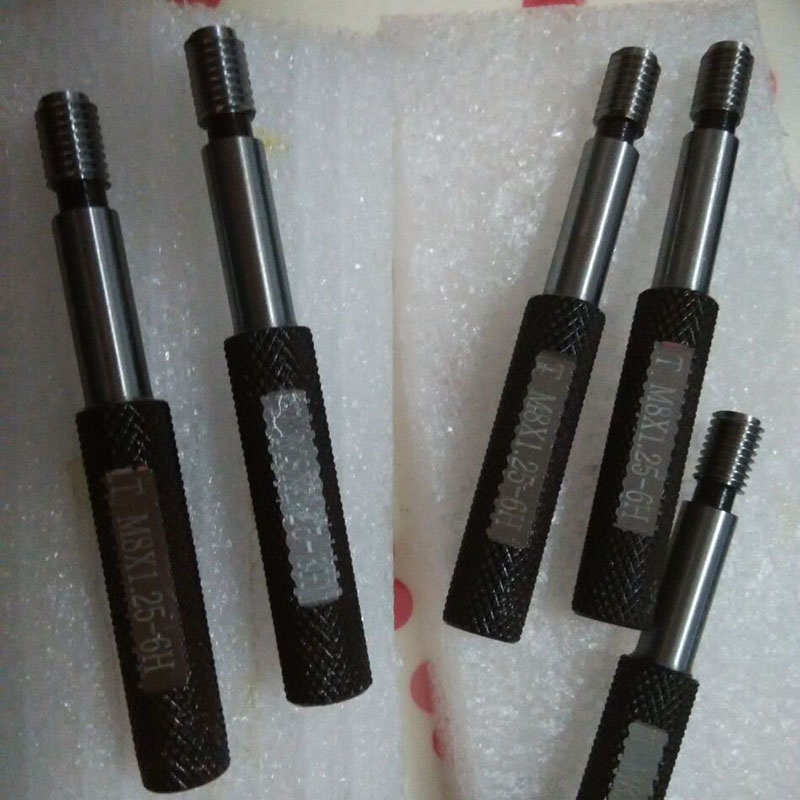
Exploring the World of Plug Gauges Essential Tools for Precision Measurement In the realm of precision manufacturing and mechanical engineering, plug gauges play a pivotal role in ensuring dimensional accuracy and quality control. These specialized tools are designed to measure and verify the internal diameters of holes and openings, making them indispensable in various industries, from automotive to aerospace. This article delves into plug gauges, their features, applications, and the considerations when purchasing them for sale. What are Plug Gauges? Plug gauges are cylindrical tools used to check the diameter of a hole or the internal dimensions of components. They come in two primary types go gauges and no-go gauges. The go gauge is designed to fit into a hole that meets the specified dimensions, while the no-go gauge should not fit into the hole if the dimensions are correct. This binary system allows for quick and effective measurement, ensuring that parts meet stringent tolerances. Features of Plug Gauges Plug gauges are typically crafted from high-quality materials such as hardened steel, carbide, or other robust alloys to withstand wear and maintain accuracy over time. They are precise instruments, usually made to standards set by organizations like the International Organization for Standardization (ISO) and the American National Standards Institute (ANSI). Thus, they are often marked with specific tolerances and can have different grades based on their intended use. Many plug gauges also come with features such as 1. Calibration Certification A certificate ensuring that the plug gauge has been tested and meets defined standards. 2. Ergonomic Design Handles or grips for ease of use, particularly in repetitive tasks. 3. Corrosion Resistance Surface treatments to protect against environmental factors, enhancing longevity. 4. Variety of Sizes Available in various diameters to suit a wide range of applications. Applications of Plug Gauges The versatility of plug gauges makes them suitable for many industries. Here are some common applications - Manufacturing In manufacturing environments, plug gauges are used to ensure that components fit together correctly. For example, they help verify the dimensions of parts such as cylinders or holes that house bearings. - Quality Control In quality assurance processes, plug gauges are employed to conduct final inspections of products before they reach the end customer, guaranteeing that items meet predetermined specifications . - Maintenance Mechanics and technicians use plug gauges during maintenance checks to ensure that replacement parts will fit into existing assemblies without issues. plug gauges for sale - Design Applications Engineers may use plug gauges during the design phase to prototype and test new products, ensuring that designs are both functional and manufacturable. Purchasing Plug Gauges for Sale When it comes to purchasing plug gauges, there are several factors to consider 1. Accuracy Requirements Understand the degree of precision you need for your applications. Higher accuracy gauges can be more costly. 2. Material and Durability Depending on your operational environment, you may need gauges that are more resistant to wear and corrosion. 3. Calibration and Standards Always check for calibration certifications and whether the gauges meet industry standards. This is crucial for maintaining quality control in a professional setting. 4. Supplier Reputation Choose reputable suppliers or manufacturers known for producing high-quality gauges. Read reviews and ask for recommendations from industry peers. 5. Cost vs. Value While it’s tempting to go for the cheapest option, consider the long-term value of investing in high-quality plug gauges. Cheaper models may not provide the accuracy and durability necessary for professional use. Conclusion Plug gauges are indispensable tools in manufacturing and quality control processes. Their ability to ensure precise internal measurements makes them vital for maintaining high standards in engineering and production. By understanding their features and applications, and by making informed purchasing decisions, businesses can enhance their operational efficiency and product quality. Whether you’re a veteran in the industry or just starting, integrating plug gauges into your toolset will undoubtedly contribute to your success.
-

High quality industrial productsagement

High quality industrial products
View Details -

Meet the diverse needs of customers

Meet the diverse needs of customers
View Details -

Strict quality control

Strict quality control
View Details -

Top raw materials

Top raw materials
View Details -

Trusted supplier

Trusted supplier
View Details
Our application

news and information

Y-type Strainer Valve Design and Applications in Fluid Management Systems
Understanding Y-Type Strainer Valves A Comprehensive Overview In various industrial and commercial a

Versatile Clamps for Efficient Fabrication Table Solutions and Secure Workholding
fabrication table clamps .
Wasserdrückregelventil - Effiziente Steuerung für Ihre Wasserversorgung
Druckregelventile für Wasseranwendungen Druckregelventile spielen eine entscheidende Rolle in der Wa
 English